Understanding Russell’s Viper (Bandotan Puspa): A Comprehensive Overview
Meet Russell’s viper (Daboia russelii) — a snake that commands both respect and caution! This remarkable creature, hailing from South Asia, is known for its stunning looks and, frankly, dangerous nature. Let’s take a closer look at what makes Russell’s viper so fascinating, exploring its taxonomy, striking appearance, ecological role, and the serious implications of its venom for human health.
Taxonomy and Etymology
First described in 1797 by the Scottish herpetologist Patrick Russell, Russell’s viper has seen its fair share of taxonomic updates over the years. Interestingly, what we once thought was a single species has evolved into two distinct ones, with the eastern subspecies now recognized as Daboia siamensis. This evolution in classification not only showcases our growing understanding of the diversity among snakes but also highlights why precise taxonomy matters for conservation efforts.
Physical Characteristics
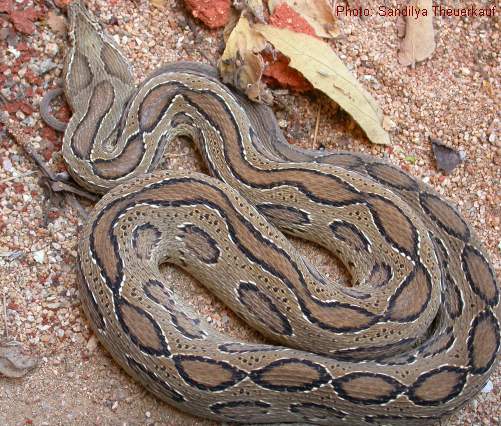
When you catch a glimpse of Russell’s viper, it’s hard to look away. Growing up to 1.5 meters (5 feet) long, this snake sports a striking pattern of reddish-brown spots outlined in deep black. These gorgeous markings serve a crucial purpose: they allow the snake to blend seamlessly into its natural habitat, which includes grassy fields and farmlands. Its wide, triangular head adds to its dramatic appearance while also making it an effective hunter.
Habitat and Behavior
Russell’s viper is a creature of the night, coming alive when the sun goes down. Still, don’t be surprised to find it basking under the sun on cooler days! Though it often appears sluggish, this snake can strike quickly if it feels threatened. Interestingly enough, you’ll most likely find it in open areas rather than dense forests. As it seeks out its main source of food—rodents—it often wanders into human settlements, leading to more encounters. This close proximity emphasizes the need for awareness and understanding of the snake’s presence in agricultural regions.
Diet and Ecological Role
In its ecosystem, Russell’s viper plays a vital role by keeping rodent populations in check. By hunting down these small mammals, it helps maintain a balance within local ecosystems. However, its increasing tendency to invade human habitats raises some concerns about potential conflicts — especially in rural areas where agriculture is king.
Venom Characteristics
Russell’s viper carries one of the most potent venoms among snakes, presenting significant challenges for medicine and public health. Its venom is a cocktail of enzymes and neurotoxins that can lead to severe complications, such as renal failure and hypopituitarism—conditions that can be life-threatening. A single bite can deliver a fatal dose, making respect for this species more than just a precaution. Understanding its venom is not just about fear; it’s crucial for developing effective treatment protocols and emphasizing the need for rapid medical attention after a bite. Fortunately, advances in antivenom research are underway, including promising developments from Costa Rican antivenom that could improve treatment options for those affected by envenomation.
Implications for Human Safety and Conservation
As Russell’s viper continues to adapt to the changing landscapes influenced by human activity, it’s more critical than ever to raise awareness about this fascinating snake. By educating ourselves about its behaviors, habitat preferences, and medical implications, we can take proactive steps towards safety—especially in agricultural zones. Plus, understanding the ecological role of Russell’s viper can foster a sense of cooperation, allowing us to find a harmonious balance between wildlife preservation and the needs of urban development.
Conclusion
Russell’s viper isn’t just a snake; it’s a testament to the intricate dance of human-wildlife interactions in South Asia. By diving into the details of its taxonomy, physical traits, behavior, and venom implications, we not only develop a healthy respect for this species but also appreciate the delicate balance of our ecosystems.
Staying informed empowers us to take necessary precautions and inspires a newfound appreciation for the wildlife around us. Whether you’re a local resident, a wildlife enthusiast, or a medical professional, knowing about Russell’s viper is essential for safely coexisting with this remarkable species.