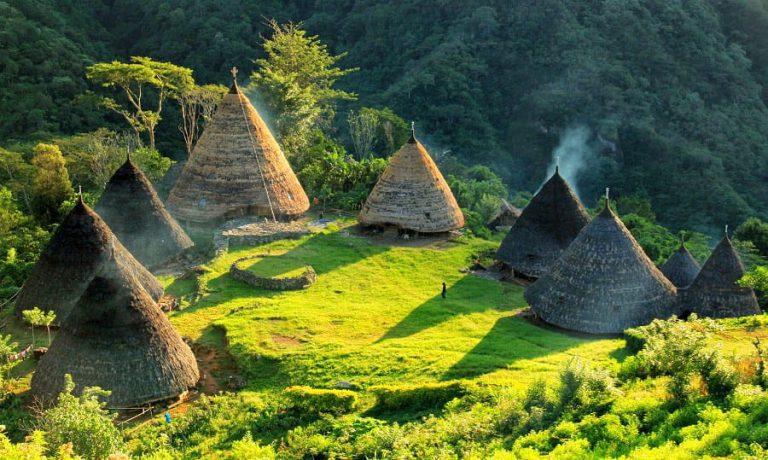
wae-rebo-manggarai-ntt source pariwisata.manggaraikab.go.idDiscover the Hidden Gem: Wae Rebo, Indonesia’s Most Isolated Village
Nestled high in the lush, verdant mountains of Indonesia’s beautiful island of Flores, the traditional village of Wae Rebo awaits like a hidden jewel. This remote and intriguing destination offers travelers a unique glimpse into Indonesia’s past and present, where time seems to stand still among the seven iconic cone-shaped houses. Prepare to embark on an unforgettable journey as we unravel the mysteries of Wae Rebo, an authentic cultural experience and nature lover’s heaven.
Journey through the Land of Flores
The island of Flores, hidden within the Indonesian archipelago, is a land of incredible landscapes and unique cultures. Winding roads lead you through dramatic mountain vistas, sprawling green rice paddies, and misty forests. It’s a place where adventure and wonder greet you around every corner. As you prepare to journey to Wae Rebo, one must first arrive in Labuan Bajo, the main gateway to this natural paradise.
How to Get to Wae Rebo
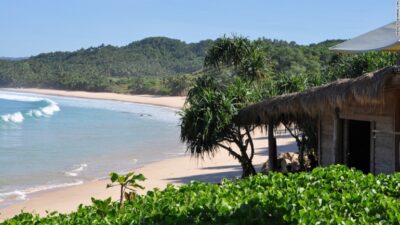
Reaching Wae Rebo requires determination and a spirit of adventure. From Labuan Bajo, undertake a scenic drive along the Trans-Flores Highway, soaking in views of rolling hills and sparkling coastlines as you make your way to Denge Village, the launching point for your trek. The journey takes approximately seven hours, though time flies as you pass through picturesque landscapes and quaint villages.
Once in Denge, the three-to-four-hour trek to Wae Rebo begins. The path takes you through dense rainforests, offering panoramic views of the surrounding valleys and hills. Alongside an experienced local guide, feel the embrace of nature in one of the archipelago’s most serene settings.
Understanding the Cultural Richness of Wae Rebo
High above the clouds, Wae Rebo stands as an iconic testament to Indonesia’s rich cultural heritage. The village is home to the Manggarai people, known for their hospitality and strong traditions. The village inhabitants maintain a close-knit community centered around the seven unique conical houses known as mbaru niang, each constructed traditionally with thatched roofs and bamboo.
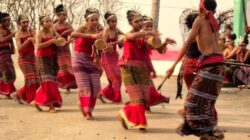
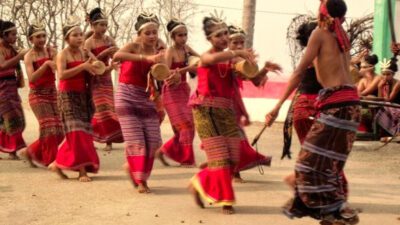
Witnessing daily life in Wae Rebo offers a rare opportunity to observe the intricate tasks of communal living, from crafting handicrafts to vibrant local ceremonies. During your stay, participate in a warm and sacred welcome ceremony, a testament of the villagers’ warm-hearted nature, where guests offer betel nuts as a token of respect and receive blessings from the village elder as they enter this sacred haven.
Immersing in the Natural Beauty
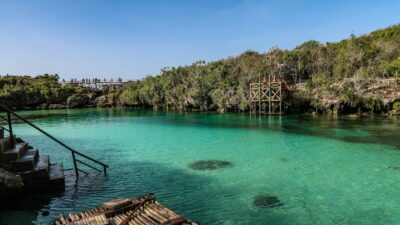
Beyond its cultural depth, Wae Rebo is a nature lover’s dreamland. Surrounded by thick forests, the village provides an ideal setting for wildlife encounters and panoramic views accessible through guided treks. As the mist lifts in the morning, it’s not uncommon to hear the symphony of birds and see wildlife that calls this remote haven home.
Don’t miss the opportunity to indulge in a sublime sun-rise view, where the skies painting themselves in shades of pink and gold over the horizon will leave you spellbound. Disconnect from the modern world and reconnect with nature’s tranquil rhythm under the star-studded night sky.
Where to Stay: Embrace the Traditional Way of Life
Accommodation in Wae Rebo is a journey in its own right. Overnight stays in one of the majestic mbaru niang houses allow visitors to fully immerse themselves in the authentic experience. Share life with the Manggarai people, participate in meal preparation, and partake in local celebrations that enrich your understanding of their time-honored customs.
Meals are simple but incredibly satisfying, prepared using fresh local produce. The earthy aromas of traditional dishes like nasi goreng and sop buntut (oxtail soup) create a feast for the senses that illustrate the inherent beauty and diversity of Indonesian cuisine.
Preservation and Responsible Tourism
As custodians of a unique culture and environment, the Wae Rebo villagers sustain their traditions through responsible tourism. Visitors are encouraged to respect the fragile ecosystem and cultural practices, ensuring the continued preservation of this remarkable destination.
Engage with the local community through initiatives that support sustainable tourism, such as volunteering in development programs or contributing to the village’s collective projects. By doing so, travelers can honor and uplift the community, leaving a positive, lasting impact.
Conclusion: Why Wae Rebo is a Must-Visit
So, why visit Wae Rebo? Apart from its jaw-dropping vistas and immersive cultural experiences, this remote village offers a rare chance for introspection and renewal. It is here, in this highland sanctuary, where modern stresses fade, and life resumes a slower, meaningful pace.
Wae Rebo invites you to step back in time, to explore without haste and to discover the essence of community, nature, and heritage at its most authentic. Don’t miss this hidden gem—immerse yourself in the enchantment that is Wae Rebo, a side of Indonesia rarely seen by the world but forever treasured by those who journey to it.